

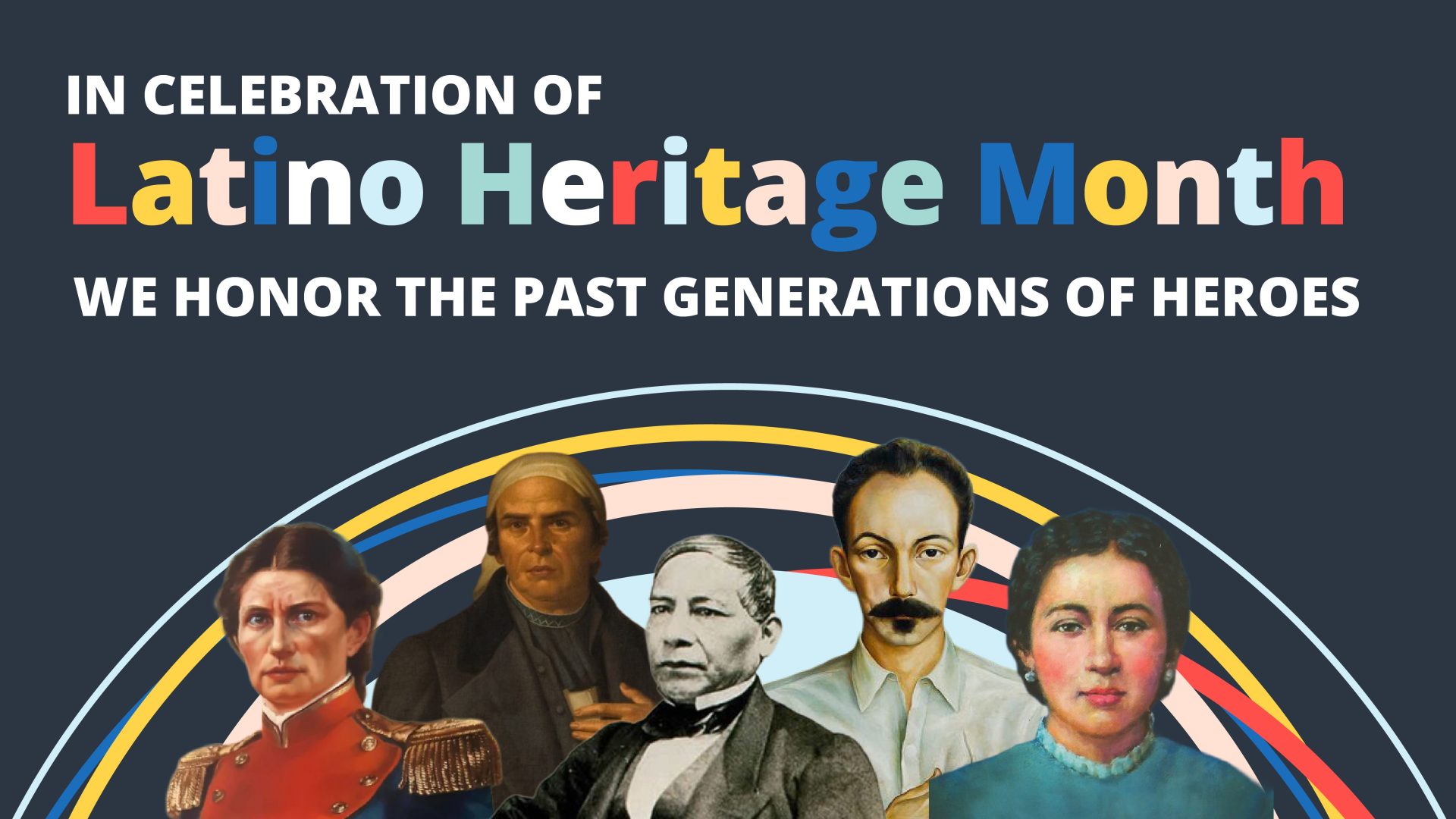
Latino Heritage Month
By Efrain Escobedo
Latino Heritage Month this year is a reminder of our beauty and humanity as a people. More than gritos, tacos, pupusas, or mofongo, this Latino Heritage month we should celebrate the living memory and continuing threads of an interwoven journey and legacy of migration across the Americas. From the peaks of Machu Pichu to the valley of Pacoima, Latino heritage is an inheritance that connects our past generations and experiences to present communities and future possibilities.
This month is an affirmation of a multigenerational and transcontinental movement across borders (voluntary and/or forced) founded on a common pursuit of life, liberty, and justice. From colonization of indigenous peoples to the transatlantic slave trade, Latino heritage is founded on a stories of resilience that have shaped the Americas.
In celebration of Latino Heritage Month we honor the past generations of heroes who shaped our cultural DNA and have made immeasurable contributions to the legacies of justice and equality.
We celebrate:
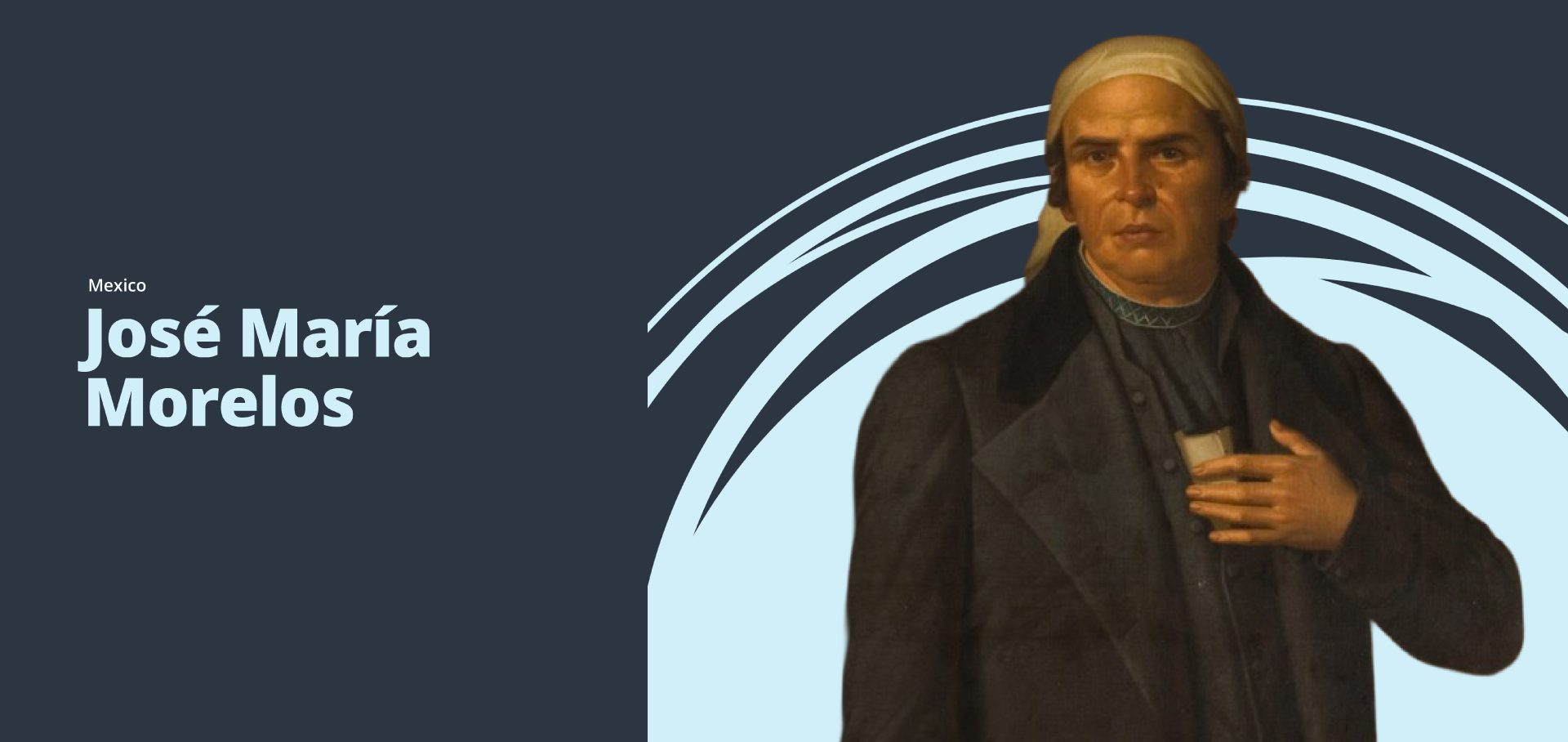
José María Morelos Mexico Priest and revolutionary leader who fought for independence and racial equality. Advocated for the abolition of slavery and caste systems in his 1813 Sentimientos de la Nación.

Juana Azurduy de Padilla Bolivia/Argentina Mestiza military commander who led Indigenous and Afro-descendant troops in the wars of independence. Her legacy embodies intersectional resistance.
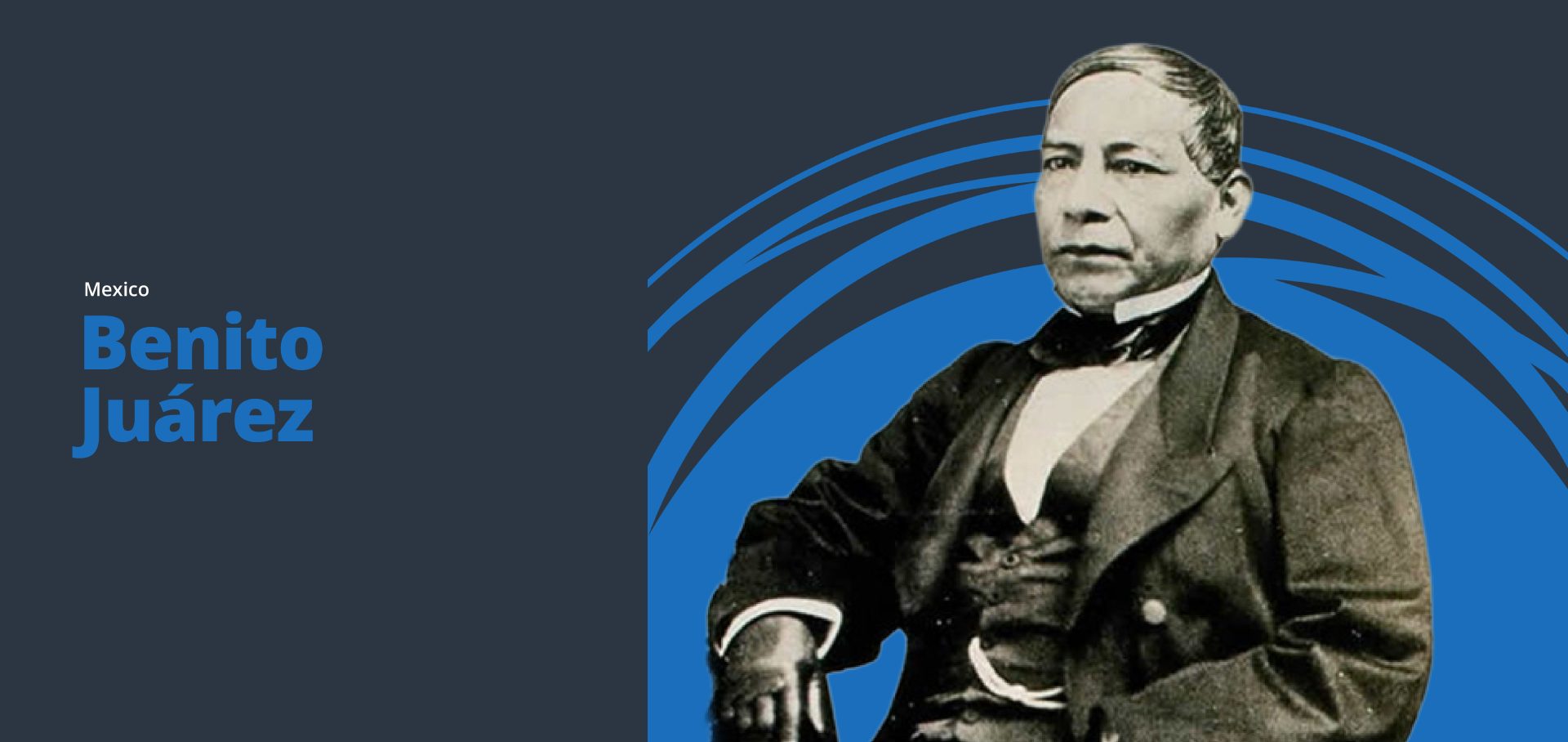
Benito Juárez Mexico Zapotec lawyer and president who championed liberal reforms, land redistribution, and Indigenous rights. His leadership reshaped Mexico’s social and legal foundations.
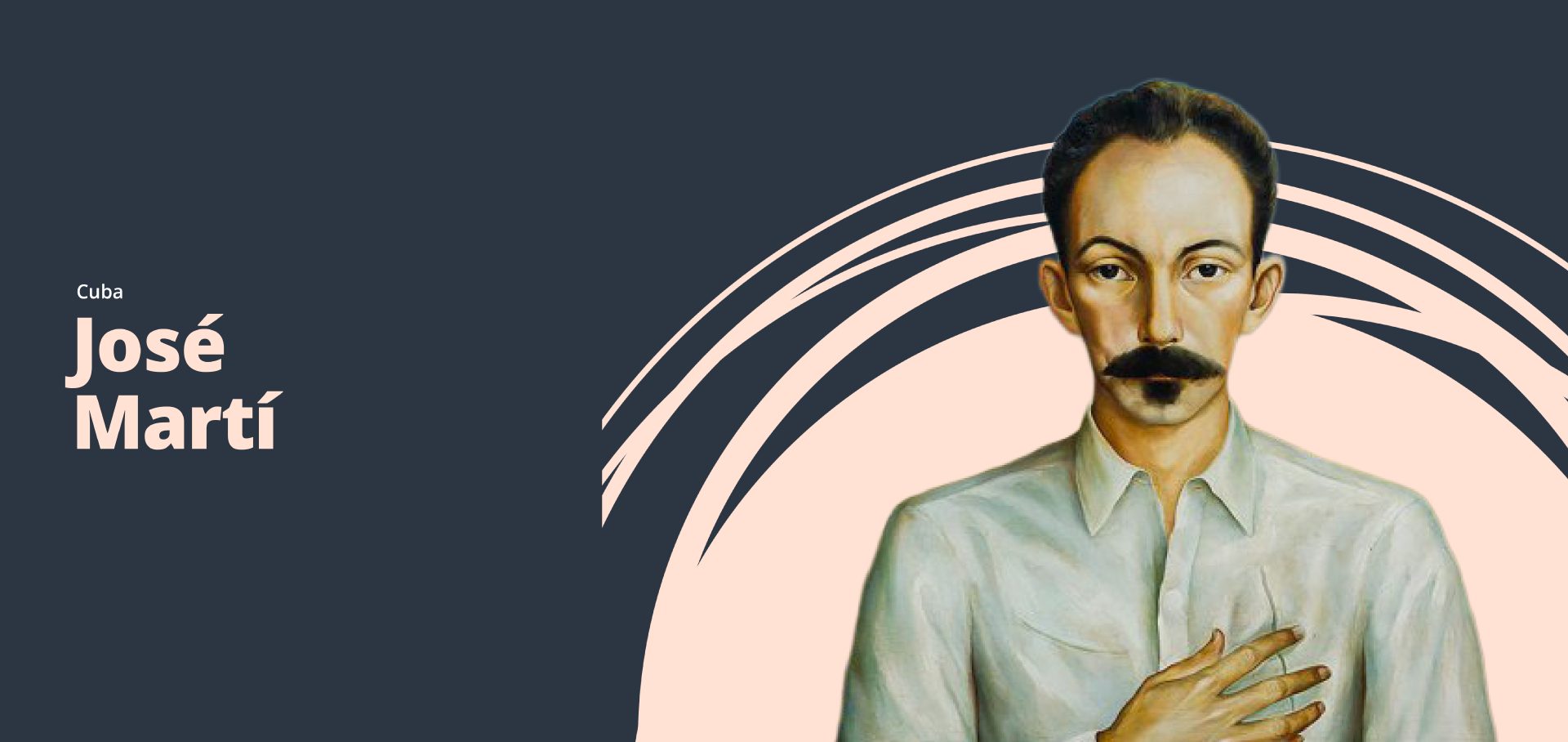
José Martí Cuba Poet, philosopher, and revolutionary who fought for Cuban independence and racial unity. His writings inspired anti-imperialist and civil rights movements across the Americas.

María Trinidad Sánchez Dominican Republic Afro-Dominican revolutionary who helped draft the Dominican flag and was executed for resisting Spanish rule. Her legacy is honored as a symbol of national and racial liberation.
These figures weren’t just national heroes—they were transnational visionaries, advocating for justice across race, class, and colonial boundaries. Their philosophies echo in today’s Latino-led movements for immigrant rights, racial equity, and cultural affirmation.